Beauty is subjective, so there is no official global ranking. This list ranks rivers by a mix of scenic drama, visual distinctiveness, cultural fame, and how strongly respected sources describe their landscapes.
🔍 Quick Facts
“Beautiful” rivers are usually admired for one or more of these features: dramatic gorges, clear water, famous mountain settings, iconic city or temple views, major wildlife landscapes, or culturally celebrated scenery. Britannica’s river and regional entries repeatedly highlight those kinds of qualities for rivers such as the Amazon, Danube, Nile, Yangtze, Rhine, and Jordan.
Ranking table
| Rank | River | Why it stands out |
|---|---|---|
| 1 | Li River | Classic karst scenery near Guilin and Yangshuo |
| 2 | Amazon River | Vast rainforest landscapes and immense natural scale |
| 3 | Danube River | One of Europe’s great scenic and cultural rivers |
| 4 | Nile River | Desert-river contrast and legendary historical landscapes |
| 5 | Yangtze River | Spectacular gorges and immense mountain-river scenery |
| 6 | Rhine River | Famous castle-lined valley scenery in Europe |
| 7 | Jordan River | Spiritual and historic beauty in a sacred landscape |
| 8 | Congo River | Powerful equatorial grandeur and rainforest setting |
| 9 | Brahmaputra River | Monumental Himalayan-to-floodplain scenery |
| 10 | Mekong River | Rich tropical scenery across multiple countries |
This is an editorial ranking, not a formal scientific one.
1. Li River
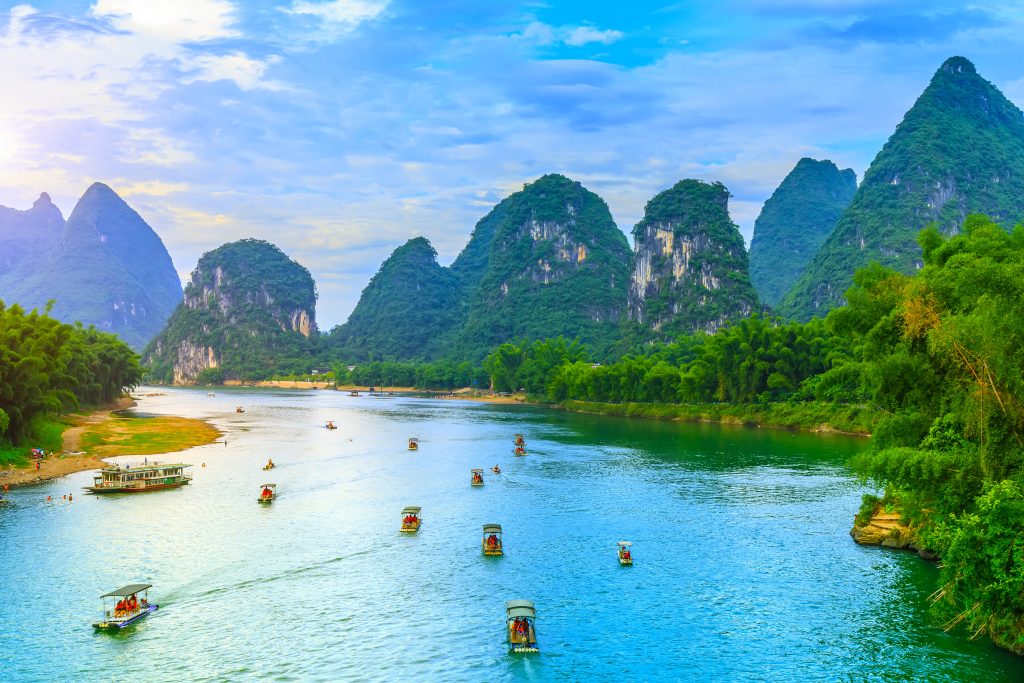
The Li River in China is the strongest candidate for the world’s most beautiful river because of its globally famous karst scenery. Britannica’s Guilin entry notes that the city and surrounding area are internationally known for “some of China’s most spectacular natural scenery,” especially the fantastically shaped limestone hills through which the Li flows. That combination of calm river, mist, and steep karst towers has become one of the most iconic river landscapes anywhere.
2. Amazon River
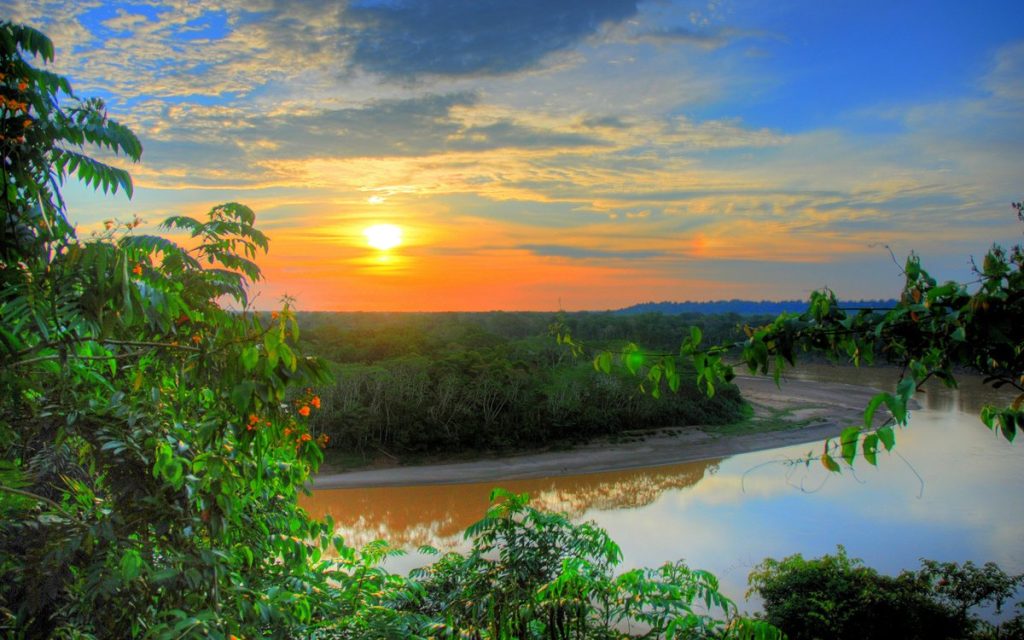
The Amazon ranks near the top because beauty here comes from scale, richness, and atmosphere rather than from one single postcard view. Britannica describes it as the world’s principal river on nearly every count except length, and emphasizes its vast rainforest setting and immense hydrological power. The Amazon’s beauty is inseparable from the surrounding forest, flooded landscapes, and feeling of continental immensity.
3. Danube River
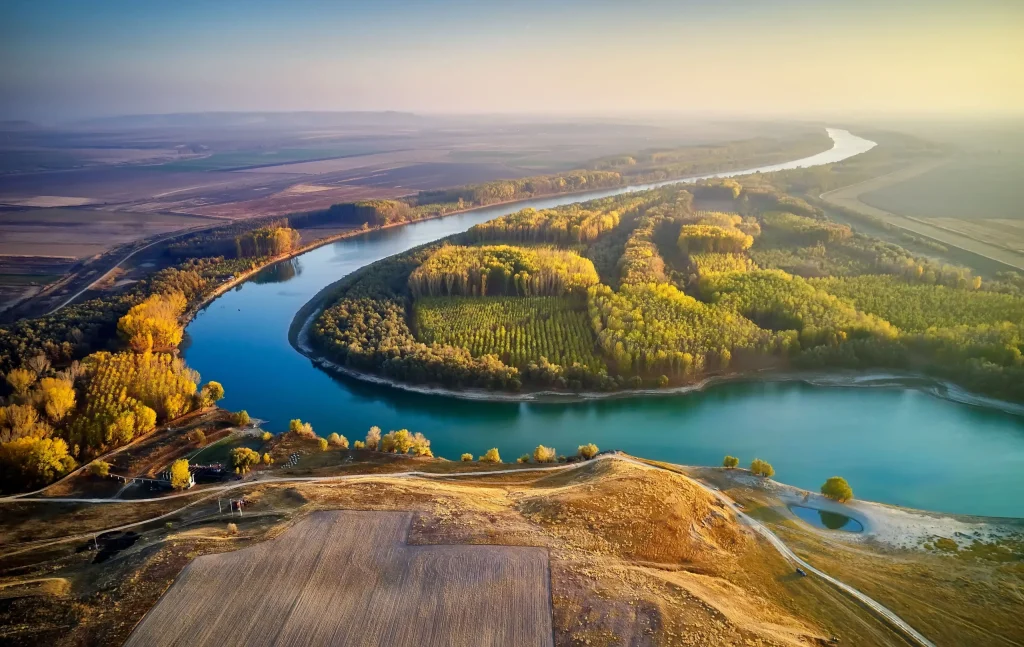
The Danube is one of the most beautiful rivers in Europe because it combines natural scenery with cultural scenery. Britannica’s Danube entry highlights the dramatic Danube Bend and the river’s passage through major European landscapes and capitals. Unlike rivers admired mainly for wilderness, the Danube is beautiful as a civilizational river: historic towns, vineyards, valleys, and monumental landscapes all contribute to its appeal.
4. Nile River
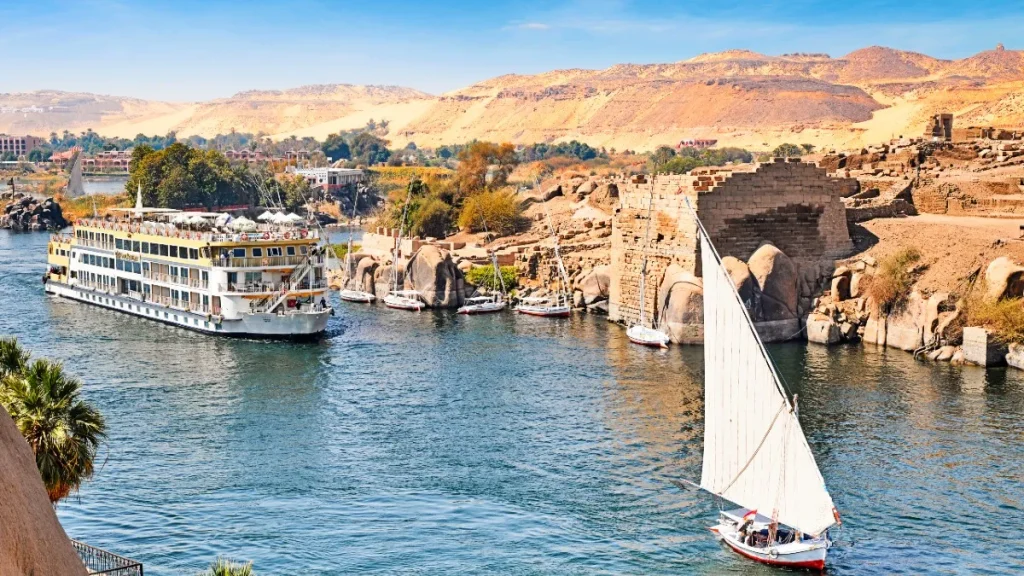
The Nile is visually beautiful because of contrast. Britannica’s Nile materials describe the river as the life line of northeastern Africa, and its scenery is defined by the striking meeting of green river valley and surrounding desert. That combination of water, palms, cultivated banks, temples, and arid background gives the Nile one of the most recognizable visual identities of any river on Earth.
5. Yangtze River
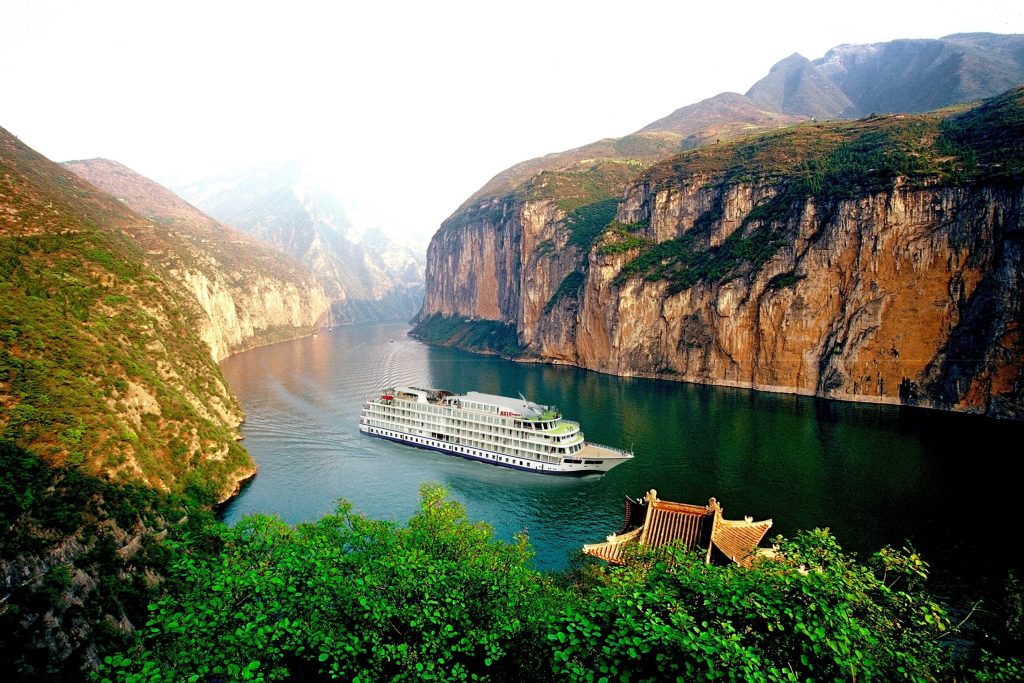
The Yangtze earns a high place mainly because of the Three Gorges and the dramatic mountain scenery of its upper and middle reaches. Britannica describes the gorge region as one of the river’s great scenic landmarks, with steep-sided valleys and very deep confined reaches. The Yangtze’s beauty comes from grandeur and vertical drama rather than serenity.
6. Rhine River
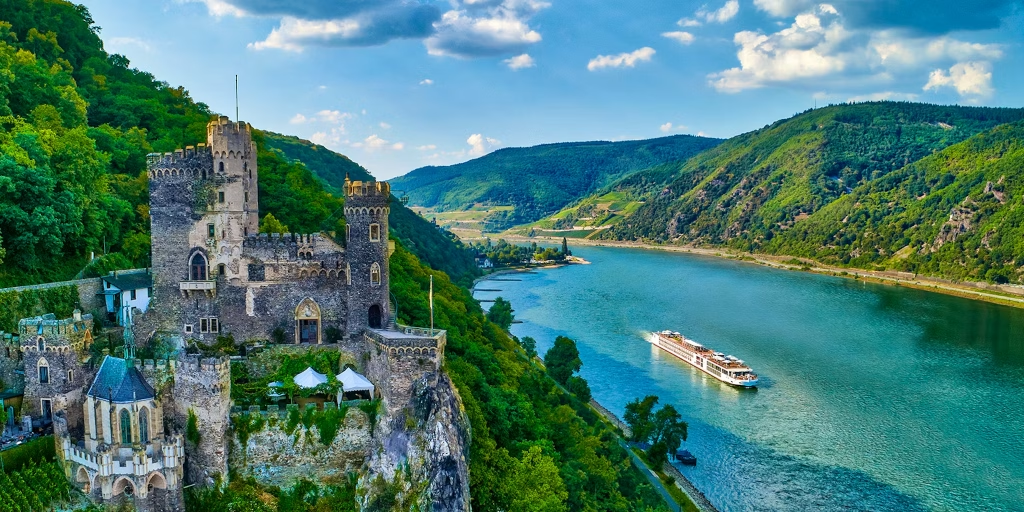
The Rhine is one of the world’s classic scenic rivers because of the Middle Rhine section, famous for castles, cliffs, vineyards, and old river towns. Britannica’s Rhine entries emphasize this region’s historic and visual importance. The Rhine is beautiful not because it is untouched, but because its valley became one of the most celebrated cultural river landscapes in Europe.
7. Jordan River
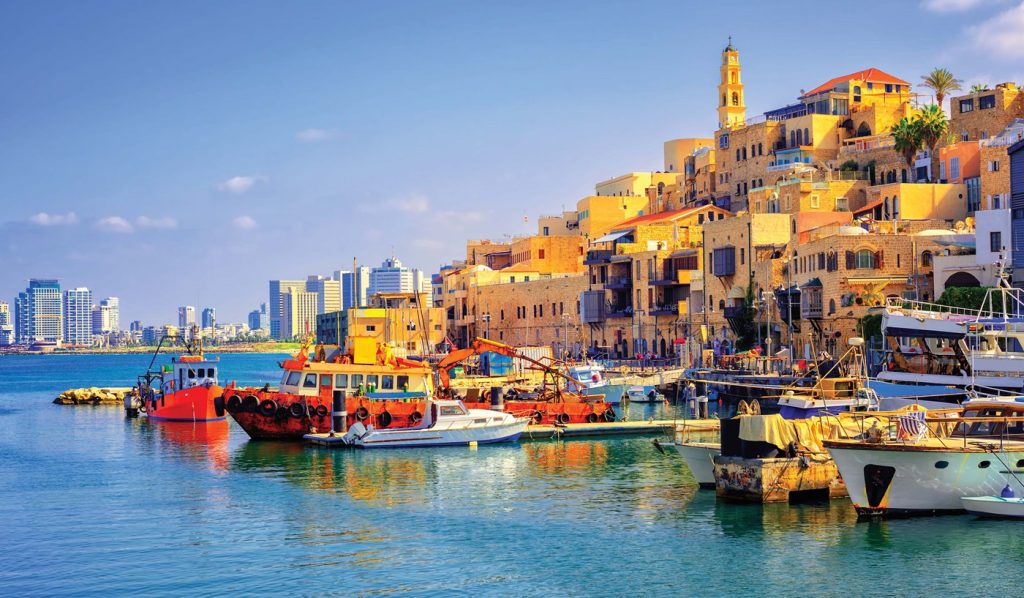
The Jordan is not among the largest or most visually dramatic rivers, but it belongs on a beauty ranking because of sacred landscape. Britannica notes that Christians, Jews, and Muslims alike revere it and that it remains a site of pilgrimage and baptisms. Its beauty is therefore spiritual and historical as much as physical: the river is beautiful because of what it means as well as how it looks in the Holy Land setting.
8. Congo River
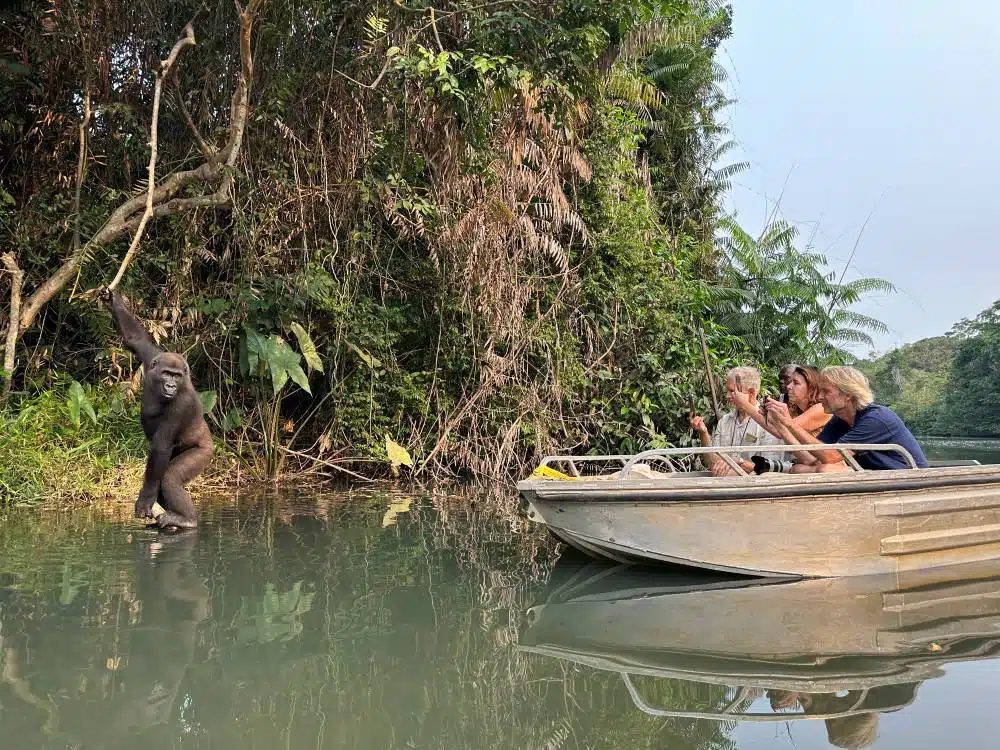
The Congo is one of the world’s most beautiful rivers in a raw, powerful way. Britannica’s Congo entries stress its immense scale, tropical setting, and unusual physical force. The Congo’s beauty comes from equatorial magnitude: dark forested banks, broad reaches, powerful flow, and some of the most dramatic freshwater landscapes on Earth.
9. Brahmaputra River
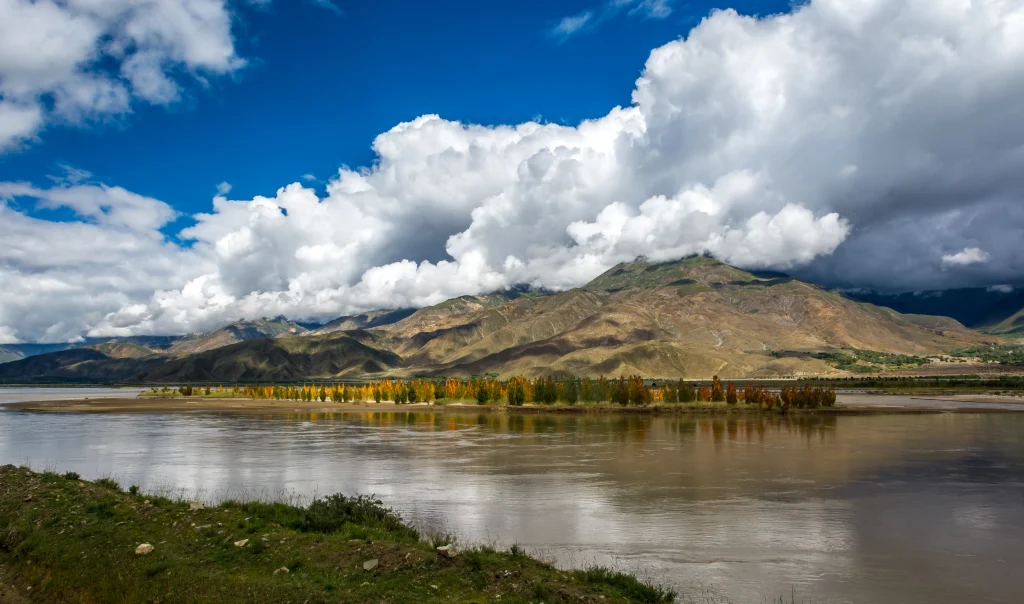
The Brahmaputra belongs here because it combines Himalayan origins, giant floodplain breadth, and a sense of monumental open space. Britannica describes its lower course as both creative and destructive, reflecting the sheer scale of its alluvial world. The Brahmaputra is beautiful less as a narrow scenic ribbon than as a vast, shifting river landscape.
10. Mekong River
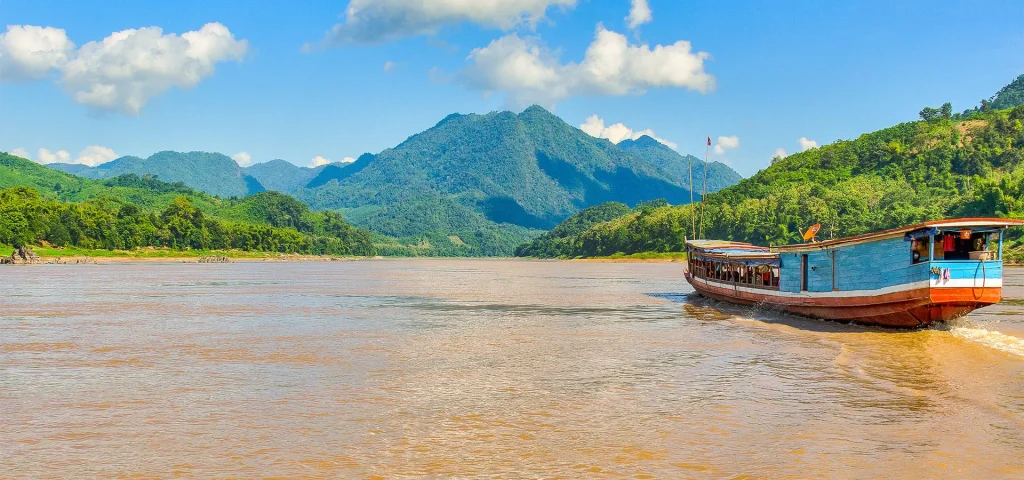
The Mekong is one of the most beautiful rivers of Southeast Asia because of its long passage through tropical landscapes, gorges, islands, floodplains, and culturally rich settlements. Britannica highlights its major role across multiple countries and its complex hydrology. The Mekong’s beauty lies in variety: mountain reaches, forested stretches, delta lands, and river life all change along its course.
Why rankings of beauty are subjective
A river that one person calls beautiful because of wilderness may be judged less beautiful by someone who prefers cultural scenery, temples, castles, or sacred landscapes. That is why the Nile, Danube, Jordan, and Rhine can rank alongside rainforest giants like the Amazon and Congo. Beauty in river geography is not only about untouched nature. It is also about atmosphere, symbolism, and historical setting.
🌊 Why It Matters
Beautiful rivers matter because beauty often helps drive protection. Rivers admired for their scenery, sacredness, or cultural prestige are more likely to attract care, tourism, memory, and conservation attention. A beauty ranking may be subjective, but it still helps people see rivers as landscapes worth valuing, not just water channels to exploit.
Related Articles
- Longest Rivers in the World
- Widest Rivers in the World
- Most Sacred Rivers in the World
- Rivers with the Greatest Discharge
- What Is a River?
- Freshwater Ecosystems Explained